
All Posts
Snowy Owls
Snowy Owls cast a bewitching spell over most birders. Here in the Midwest, where the species can be considered rare, the news of a Snowy being sighted tends to draw flocks of birders to the location.
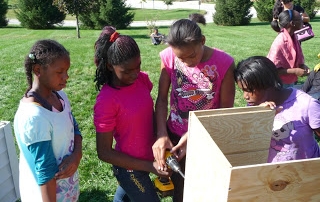

Construction Season Comes To An End
During 2011, ABAS built nine Chimney Swift towers in Marion and Hamilton Counties.
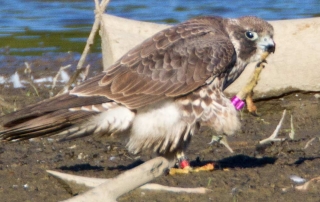
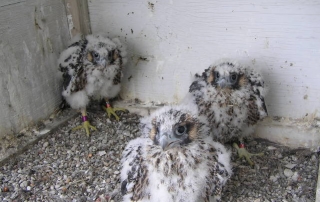
A Young Peregrine’s First Migration
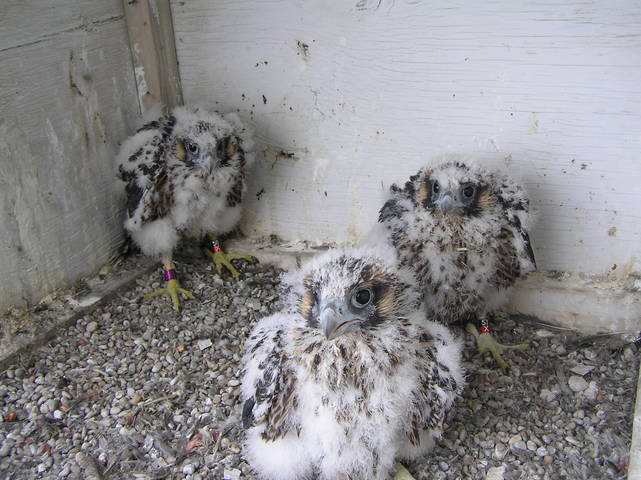
Several birders observed an immature Peregrine Falcon at Eagle Creek Park, Indianapolis, on October 1, 2011. One birder quickly noticed that the bird was banded.
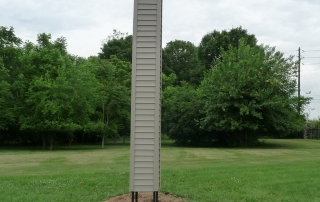
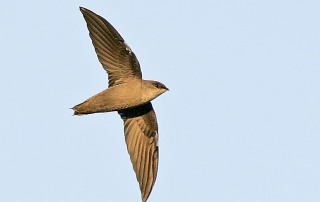
Are These the World’s Biggest Bird Houses?
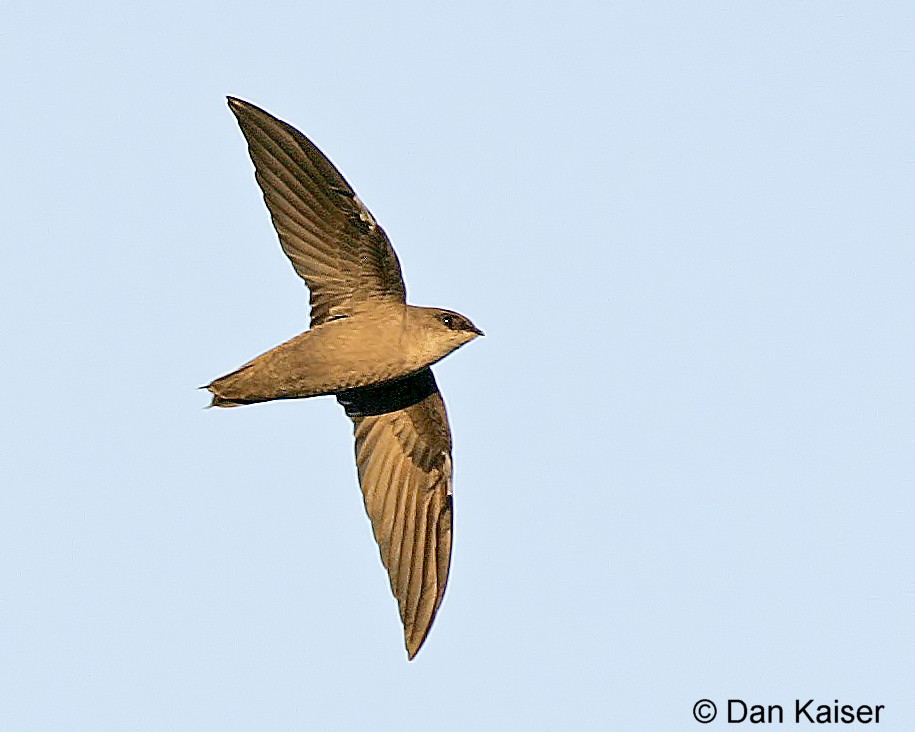
Chimney Swifts are small birds, approximating 5.5 inches, but they demand large digs. Our Wings Over Indy project will build seven Chimney Swift towers, five of which will be located on five Indy Parks properties.
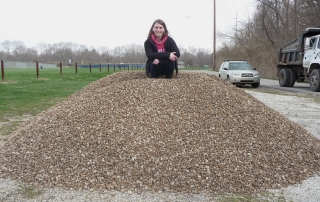
Gravel Delivery!
Several people have spent the last six months planning Amos Butler Audubon Society's Wings Over Indy project. The project will provide artificial habitat for Common Nighthawks and Chimney Swifts, both urban bird species that are experiencing population declines.
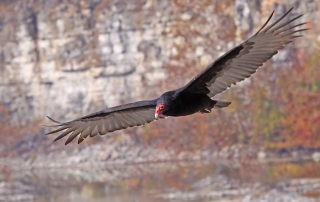
First Sign of Spring
American Robins are great birds. So are Red-winged Blackbirds. Ditto for American Woodcocks. Each of these species have fans who herald their return as a sign that spring is around the corner. I think I have a new personal harbinger of spring ...
Watching Eagles in Indiana
Thanks to the efforts of many individuals and organizations, the Bald Eagle population has significantly rebounded over the last few decades. Before recent efforts began, the last eagle nest record for Indiana was in 1897. In 2010, more than 100 pairs of Bald Eagles nested in Indiana.
Wings Over Indy
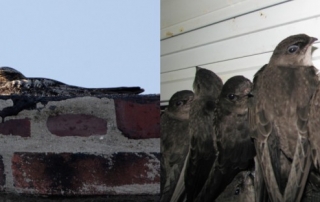
We have exciting news to share! Amos Butler Audubon Society is the recipient of a TogetherGreen Innovation Grant from National Audubon Society and Toyota. Amos Butler Audubon Society, and its partners, through the Wings Over Indy project, will support critical habitat projects in Indianapolis for Chimney Swifts and Common Nighthawks.

Rescuing a Bay-breasted Warbler
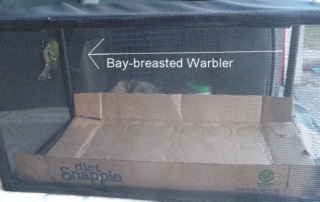
As I bent down to grab the bird hunkered in the corner, I noted the faint streaking on the back. That was about the only field mark visible in the dim lighting as the head was tucked and the bird was fairly lifeless. I knew the bird was alive since it was still on its feet.