By Brian Cunningham
Chief Naturalist for the Wild Birds Unlimited Franchise System and host of the Nature Centered podcast.
I’ve been birding for decades. Some of my friends, longer than me. I have heard them say, “spring migration isn’t what it used to be.” I used to wonder what they meant.
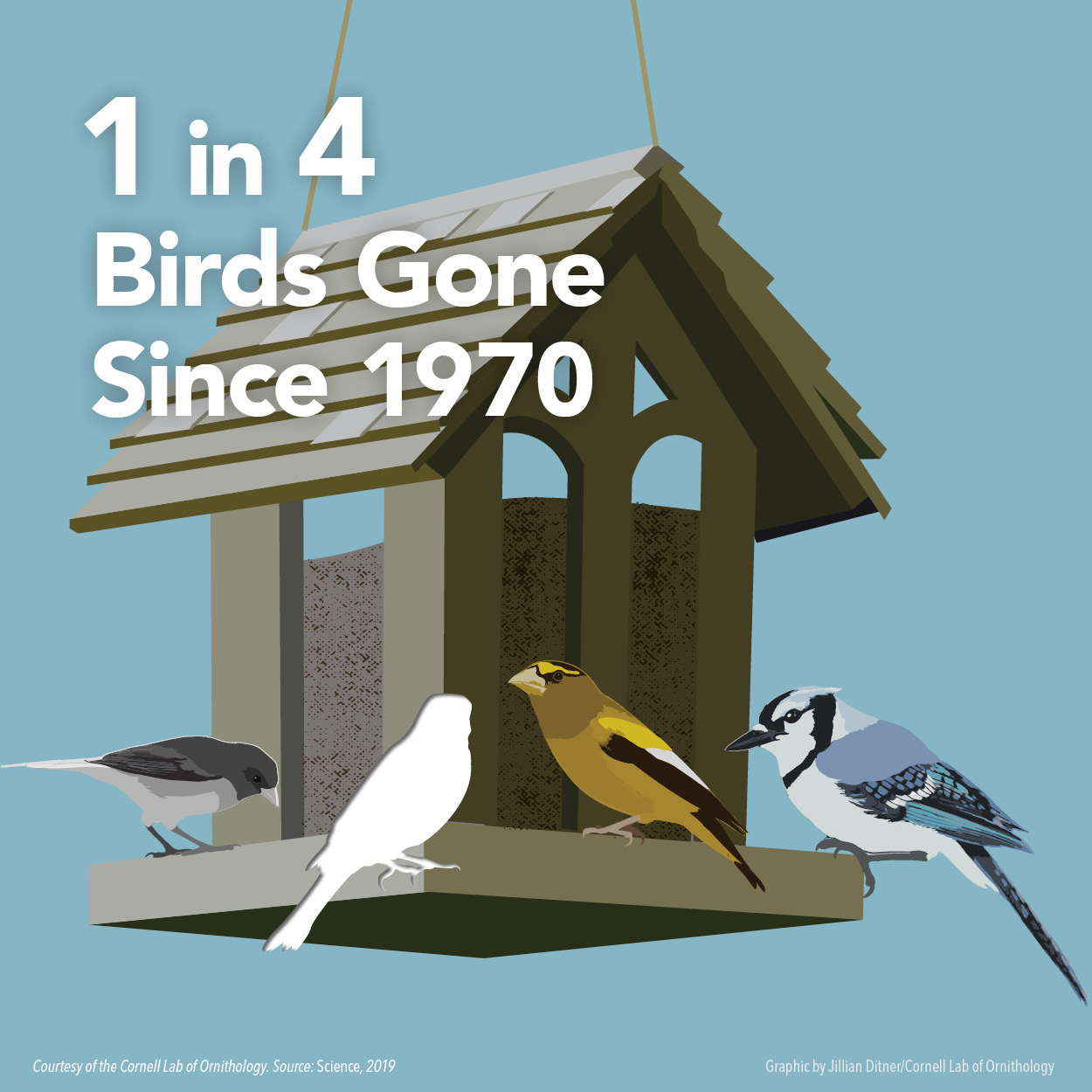
If you’ve spent time watching your feeders or hitting your favorite birding spot and thought, “it feels like I’m seeing fewer birds than I used to,” you’re not alone. In 2019, a landmark study shook the conservation world. Since 1970, North America has lost nearly 3 billion breeding birds. That’s almost one in four birds gone in just over a single human generation.
For many of us, the most surprising part wasn’t just the sheer number, it was which birds disappeared quickly. We often imagine endangered or threatened species as rare, exotic, or tropical. But the data showed that common birds, ones we may see every day (seasonally or year-round) are declining faster than anyone would imagine.
This isn’t just an abstract trend. As I’ve talked about often on the Nature Centered podcast, the changes are visible in our own yards, parks and throughout the US and Canada. While the numbers can feel daunting, the story can also be one of resilience and recovery. That is, if we take action, which can start right at home.
Let’s explore what researchers have discovered, what declining birds are telling us about the health of our habitats, and why some species are actually increasing thanks to people who have cared enough to act. Then we’ll look at actions to take right where you live.
What the Reports are Telling Us
The 3 Billion Birds report, supported by the National Audubon Society and others, compiled decades of data and confirmed widespread declines across nearly all habitats. Grassland birds have been hit hardest, down more than 50%. Shorebirds continue a long downward slide. Even some familiar feeder species are trending downward.
Reports from organizations like Audubon and Wild Birds Unlimited’s Save the Song Birds program point to the same core drivers: loss of habitat, window collisions, pesticides, cats outdoors, and more.
Across the Midwest and Indiana specifically, several once-abundant birds are steadily slipping away. Three familiar species illustrate different challenges birds are facing.
Baltimore Oriole
Bright, bold, and once nearly guaranteed in summer treetops, Baltimore Orioles have declined significantly; two in five are gone. These birds depend heavily on healthy forests and abundant insects during the breeding season. Pesticide use and loss of forest edge habitats reduce their food sources. Their wintering grounds in Central America face similar pressures.
Barn Swallow
Nothing says “country summer” like barn swallows swooping across fields catching insects. Yet these agile flyers have declined steeply; two in five are gone. Insect loss is a major factor—fewer bugs mean fewer swallows. Old barns, once their ideal nesting sites, are being replaced or sealed. Even modern agricultural practices inadvertently reduce the open foraging habitats they depend on.
Dark-eyed Junco
Often called “snowbirds,” juncos cheerfully hop under feeders all winter. But studies show long-term declines in their breeding populations. Shrinking northern forests and changes in understory structure reduce the habitat they rely on. While they may still appear plentiful at some feeders, their overall numbers tell a different story.
Indicators of a Shifting Ecosystem
When common birds decline, it’s a sign that something fundamental in the ecosystem is shifting. Their presence, absence, or population changes reveal the health of a habitat. Because birds respond quickly to environmental change, they act almost like “warning beacons.” Hence, birds are indicator species. Understanding indicator species helps us read our landscape and take simple, targeted steps to improve habitat quality.
Not all bird stories are about loss. In fact, some groups of birds are thriving, and their success shows that focused conservation efforts work.
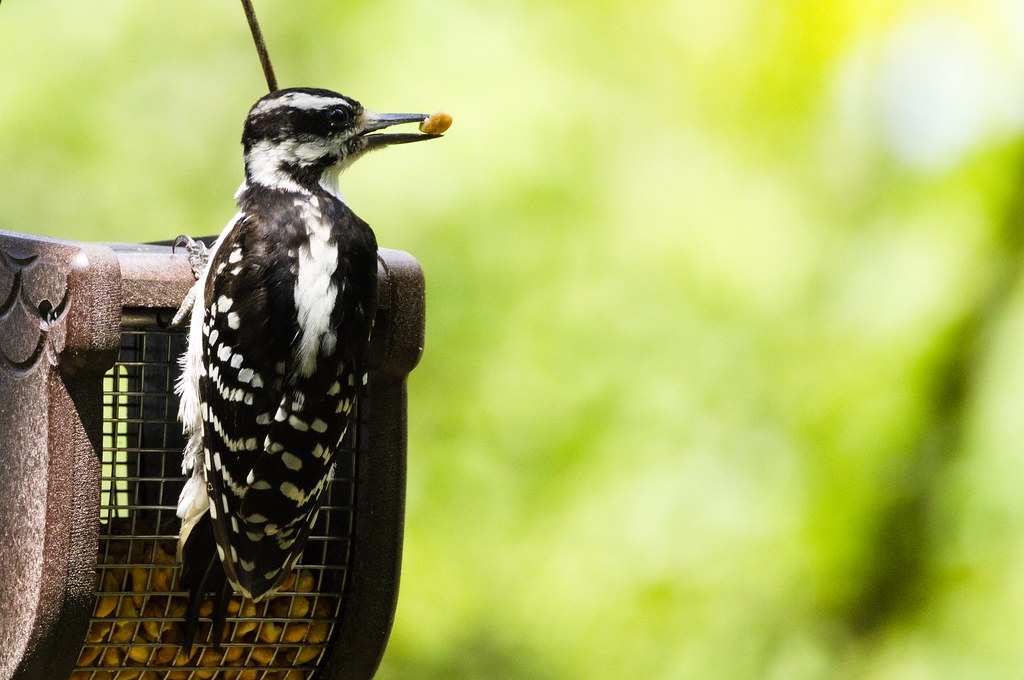
Species like the Red-bellied, Downy, and Hairy Woodpeckers are increasing. This is largely due to forest regeneration and better management of dead trees and snags. More people also leave dead limbs when they’re safe to do so, providing valuable nesting sites.
Bald Eagles, Osprey, and hawks are conservation success stories. The banning of DDT, protection under the Endangered Species Act, and active habitat restoration efforts have helped their populations rebound dramatically across Indiana and the entire continent.
Ducks and geese are among the biggest conservation success stories. Decades of wetland protection and restoration, much of it funded by hunters and conservation groups, have paid off. Mallards, Wood Ducks, and Canada Geese have seen notable increases.
These rebounds prove something crucial: when people invest in habitat and conservation protection, birds recover.
Seven Simple Actions That Start at Home
There are meaningful ways for you to help birds starting right at home. Here are the most impacting, research-supported actions.
- Add Native Plants: Scientists have identified habitat loss as the biggest reason for the decline in bird populations. Wild Birds Unlimited is proud to be the Champion for the National Wildlife Federation® Certified Wildlife Habitat program and to sponsor the Birds Canada Gardening for Birds program. Through these programs, everyone can learn how to create bird-friendly habitats. Even one native plant bed makes a measurable difference.
- Reduce Window Collisions: The windows in our homes and offices can be hazardous for birds who cannot readily distinguish the presence of a pane of glass from an unobstructed space or passageway. Use window decals, screens, or Feather Friendly dots on vulnerable windows.
- Keep Cats Indoors: Cats are a danger to songbirds, and for that reason you should never allow your kitty outside with free access to birds and other wildlife.
- Avoid Pesticides: The use of pesticides in your yard can harm birds both directly (through poisoning) and indirectly (by reducing their natural food supply). Be mindful of this when maintaining your lawn.
- Drink Bird-Friendly Coffee: You may not realize it, but the coffee you drink can have an impact on bird populations. Look for bird-friendly, shade-grown coffees and you’ll be helping to preserve native forests that birds depend on for survival.
- Watch Birds & Share: The simple act of watching the birds in your backyard or while birding can help. When watching birds, enter your observations through participatory science apps like eBird and Project FeederWatch or through participation in a Christmas Bird Count and the Great Backyard Bird Count.
- Reduce Plastics: Our WBU EcoTough and other recycled plastic products make use of plastics that would otherwise end up in landfills. Additionally, many WBU stores serve as collection centers for recycling plastic bags and conduct events which educate about the benefits of recycling.
The loss of birds is real. But so is hope. Common birds matter. They’re the soundtrack of our neighborhoods, the heart of our backyards, and the focus of our birding trips as we wander away from our homes. With awareness and action, we can make sure they remain common for generations to come.