Article and Photos by Jeremiah Oden
“Tropical” is probably the last word that comes to mind when talking about cornfields and agricultural areas in Indiana. But every year we get a beautiful taste of the tropics in both rich, vibrant colors and gorgeous songs.
This is the result of this thing we call migration. Even growing up as an outdoorsman I don’t remember seeing these gems of the avian world in my youth. Somehow, in April 2020, the scales fell from my eyes when I stumbled upon something called Global Big Day and a smartphone app called Merlin.
If Not Tropical, Why Tropical-Colored?
When I looked at the bird diversity for the state of Indiana I was floored. “I’m outside all the time; there is no way all these birds can be seen in Indiana,” I told myself. Seeing some of the richest yellows, blues, and reds I had ever seen took my thoughts to places like the jungles of Central America or even the Amazon.
“We don’t have birds that look like this in Indiana” I literally said out loud. We have things like the cardinal, chickadee, Blue Jay, robins, and a couple of big ones like a heron and some birds of prey. Now the Northern Cardinal and Blue Jays are quite striking in their own right, but a number of the small, brightly colored birds that I was seeing on Merlin were different.
It’s a unique place to be to feel like you’re pretty well acquainted with nature only to find out you didn’t know but the slightest sliver of bird diversity in your area. Low and behold, starting on May 9, 2020, I found out we do indeed have all of those birds that look like they live in the tropics.
Because Many Live in the Tropics
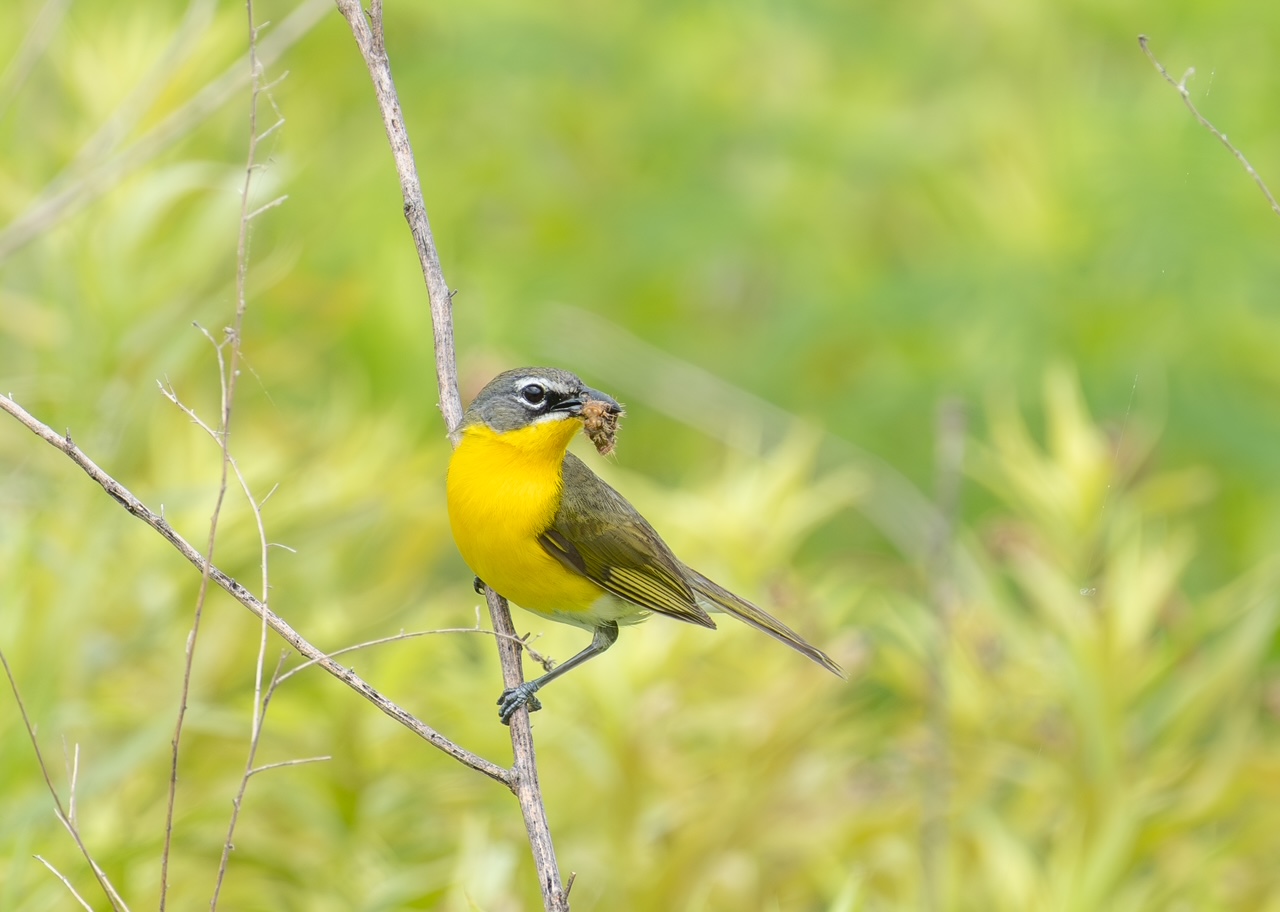
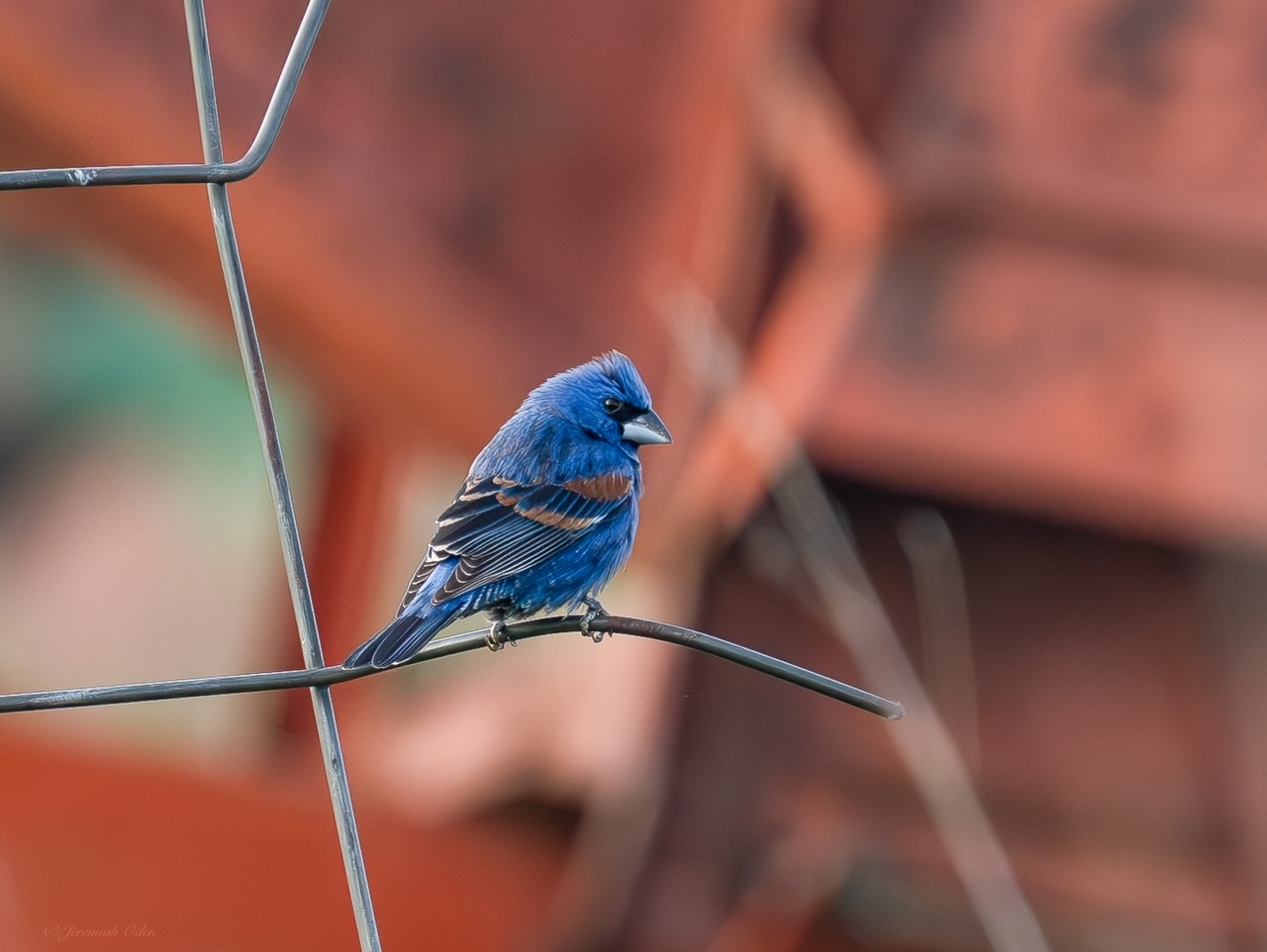
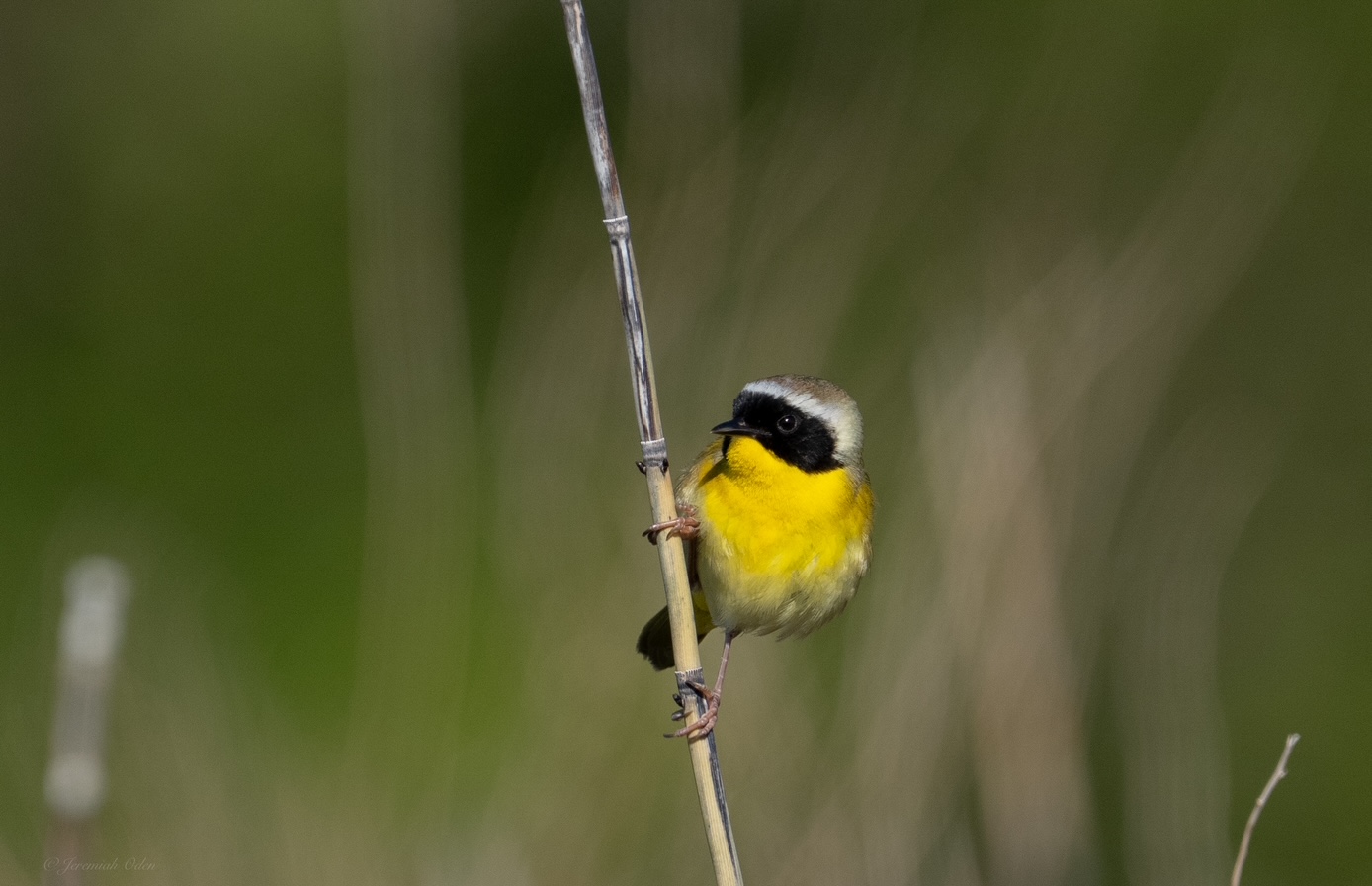
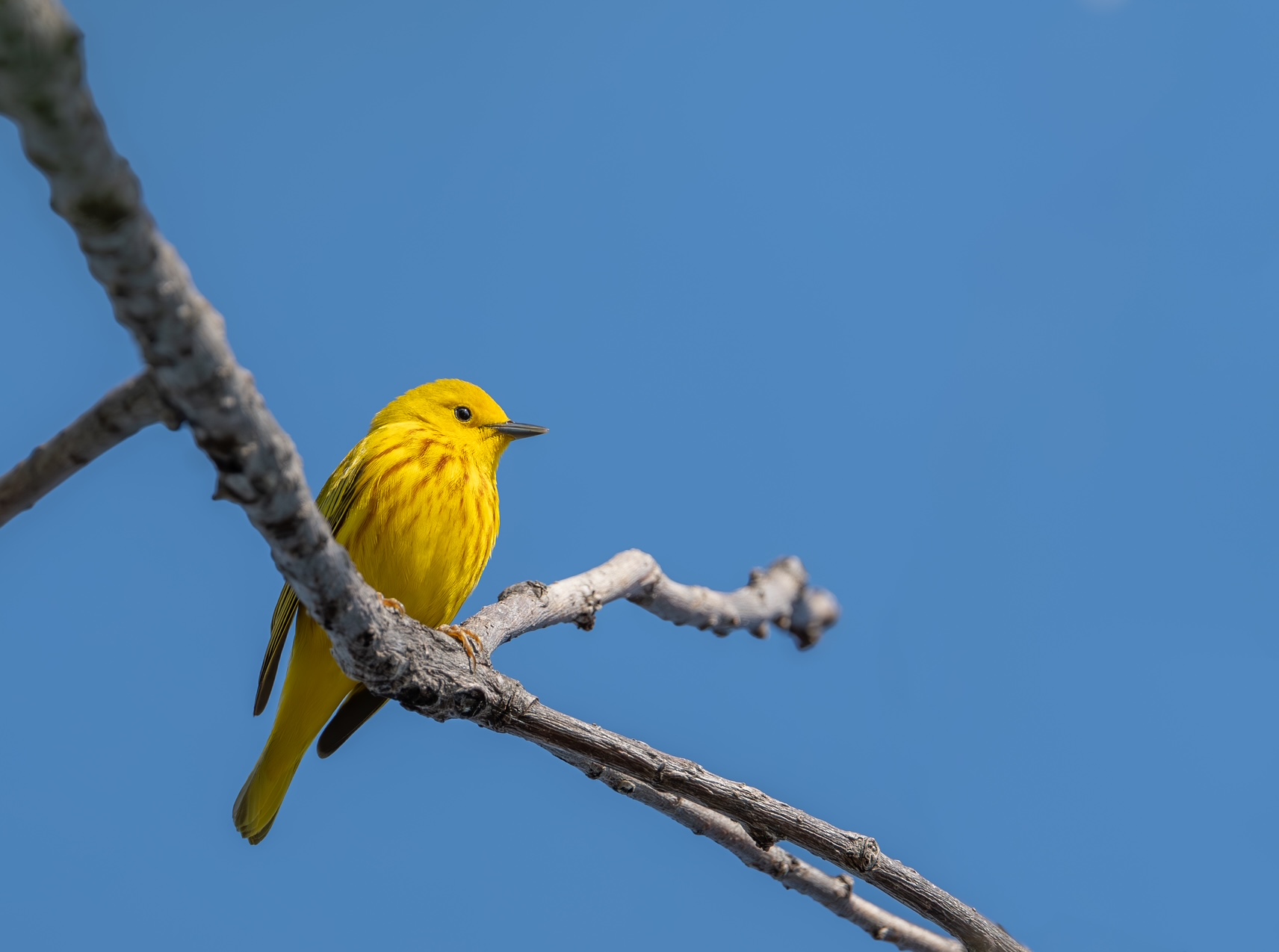
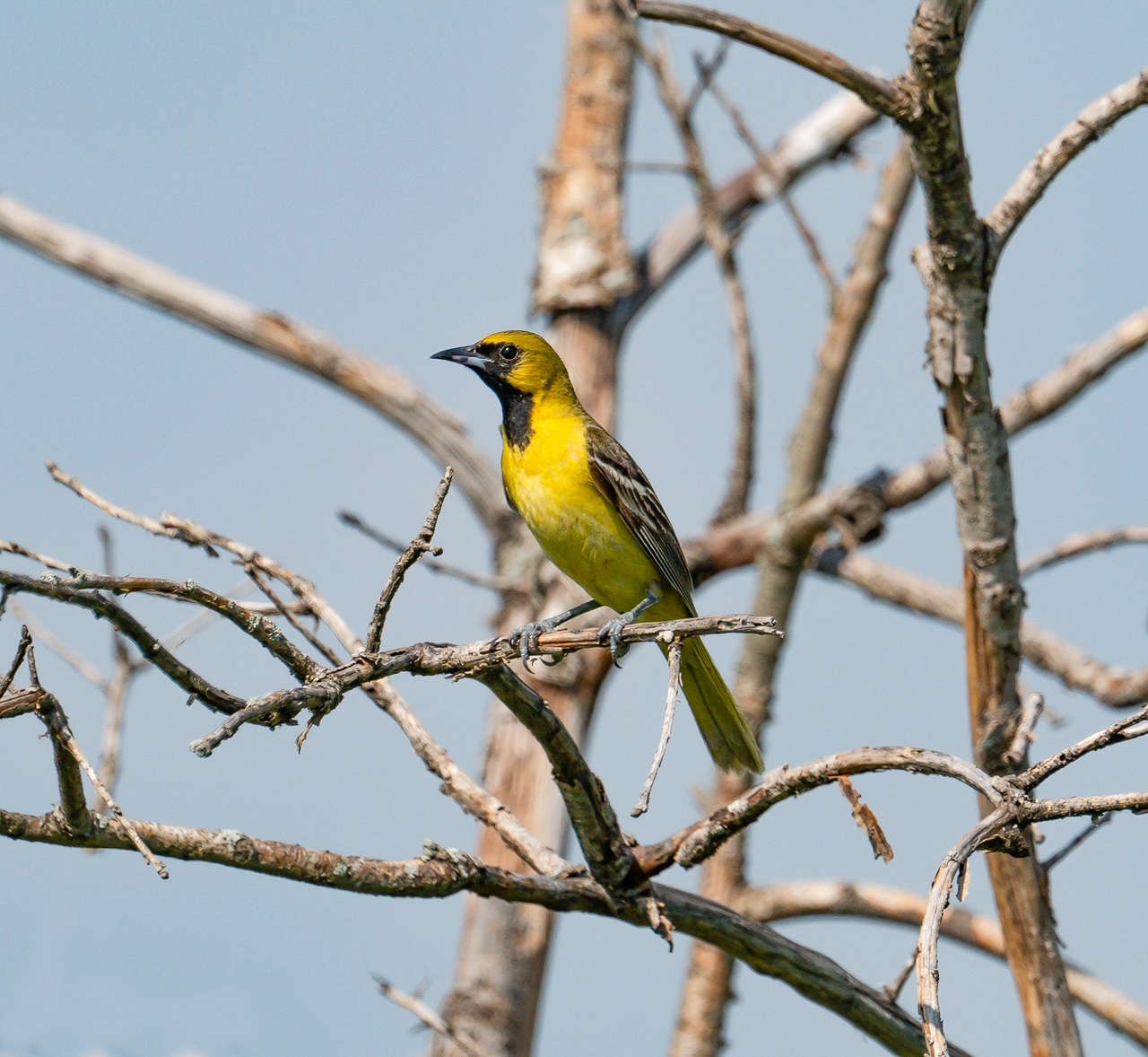
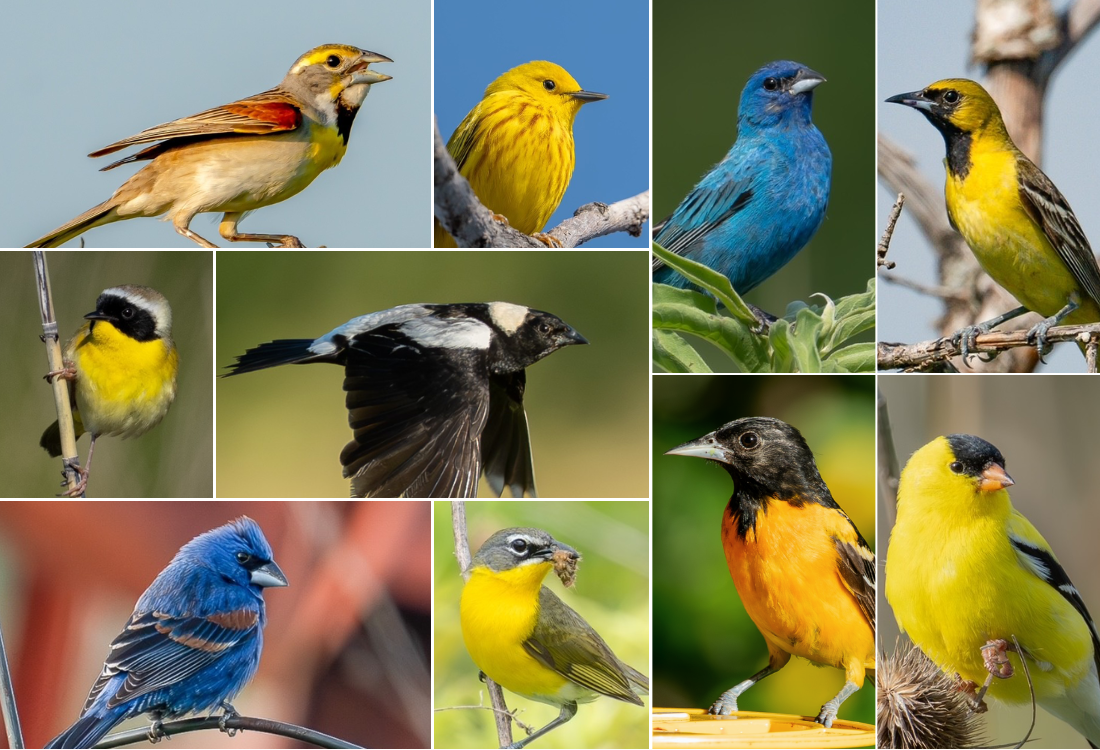
Turns out a lot of them that we see here in the cornfields do live in the tropics. For the American Goldfinch, Baltimore Oriole, Orchard Oriole, Common Yellowthroat, Northern Yellow Warbler, Yellow-breasted Chat, Blue Grosbeak, Indigo Bunting, Dickcissel, and Bobolink, Indiana is only half of their story.
The other half is much further south in fact. Thankfully, these species come up here to breed so oftentimes when they are here in Indiana, their colors are as vibrant as they’re ever going to get.
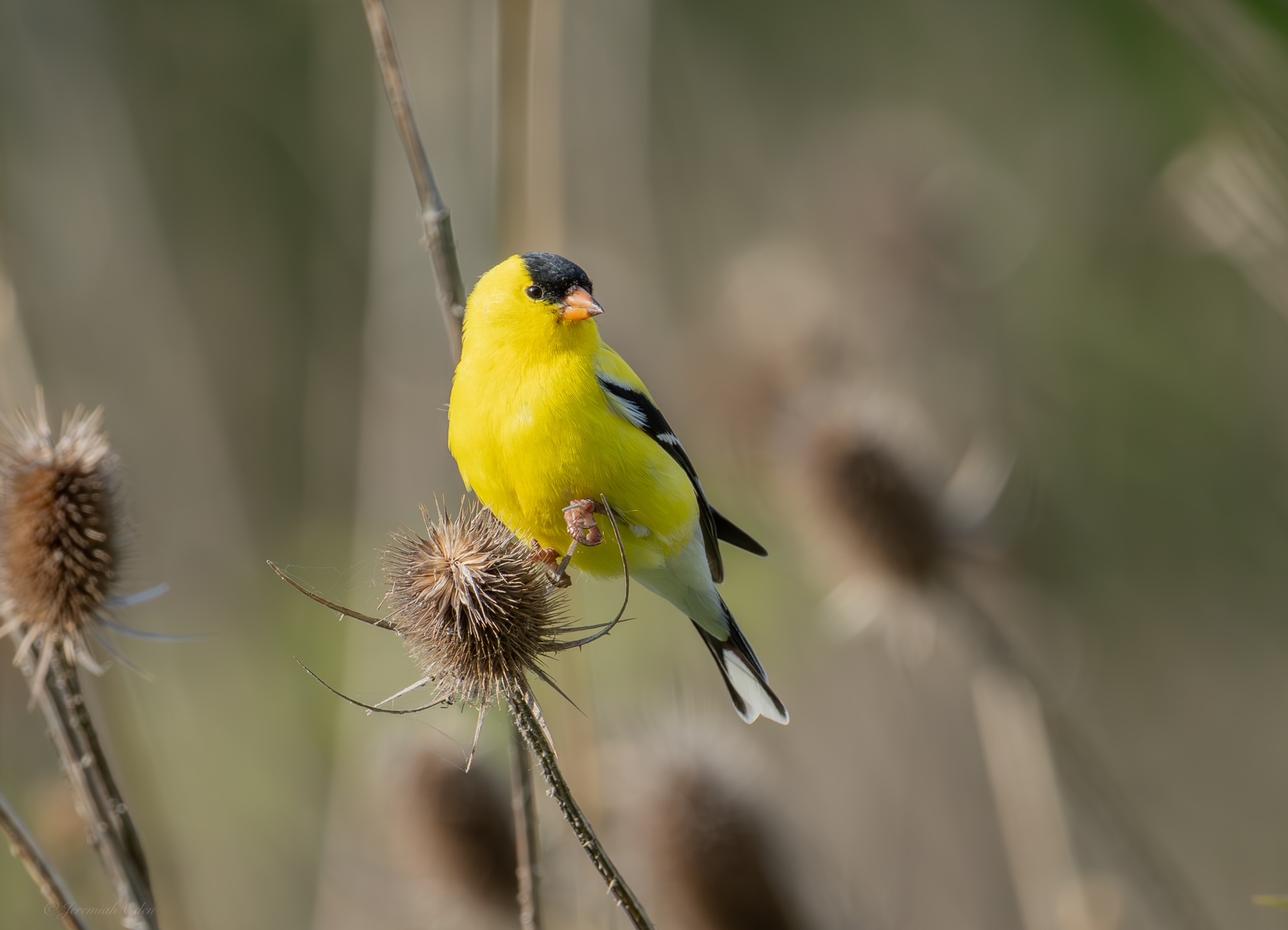
One outlier we have that is here year-round but is also migratory is the American Goldfinch. Their most southern range in the wintertime is down to Southern Mexico. But the big change here is their color change from winter to summer. I had a friend visiting from Louisiana last year and he got super excited saying, “Oh I’ve never seen that one, what is that?” He was slightly disappointed when I told him it was just an American Goldfinch. I had forgotten that he never gets to see the males in their full breeding plumage. In the wintertime the American Goldfinch is a very dull yellow. They breed in Central Indiana where males turn a bright yellow that almost appears as if they are illuminated!
Nine More of Our Tropical Species
The other nine do not stay here in the wintertime. They winter much further south, the vast majority going to southern Central America or Northern South America. Colombia is home to several in the list.
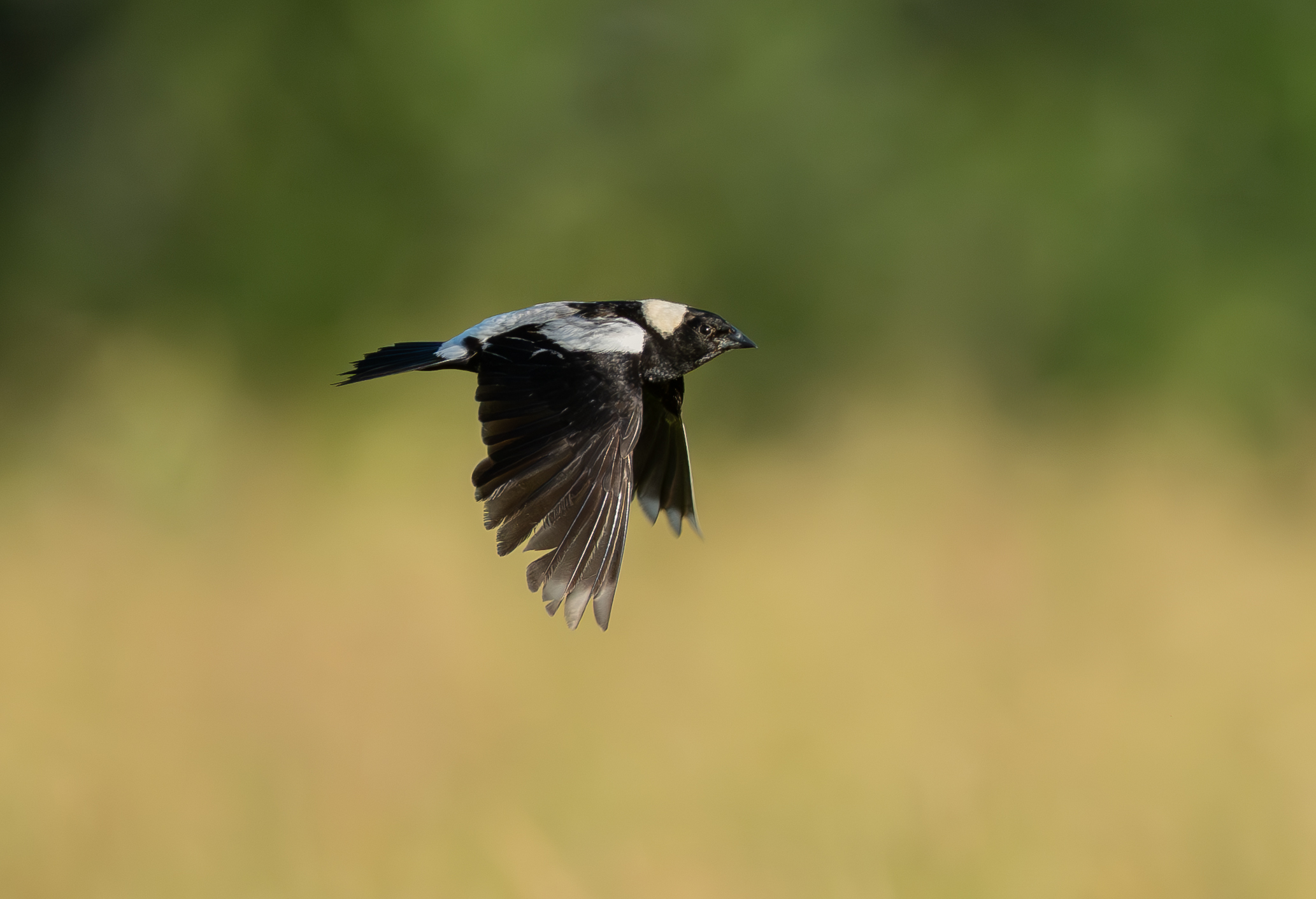
The distance champion for this list is the Bobolink. The Bobolink is such a unique bird in that its color pattern is reversed from most birds. While most birds are light underneath and dark above, they are the opposite. They also molt (lose and replace) every feather twice a year—one of a few in the North America to do this.
From its Southern winter range in Argentina to Indianapolis is over 5200 miles (8370 km) as the Bobolink flies! Simply remarkable that these birds travel so far to come here and grace us with their presence.
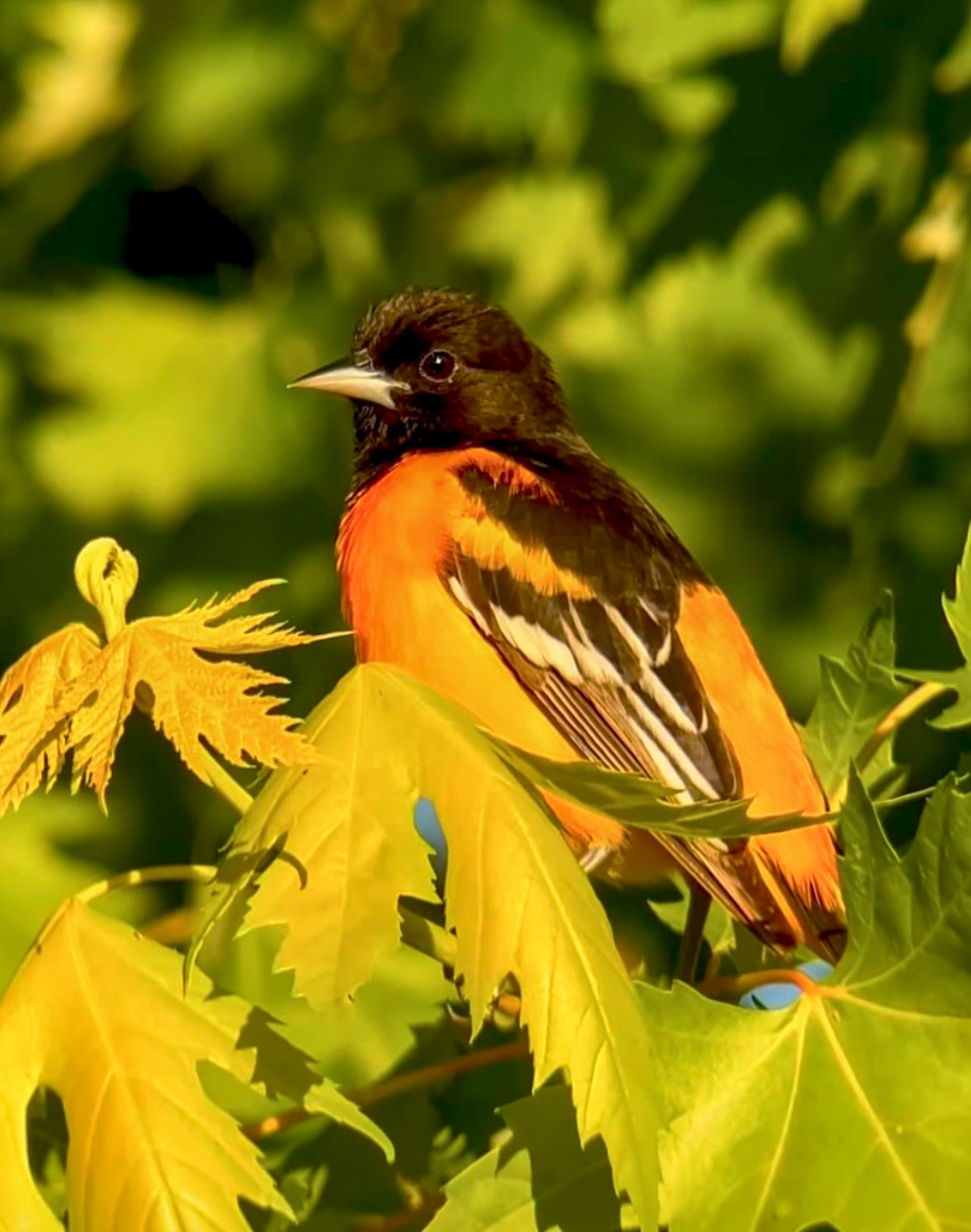
We have two oriole species: Baltimore and Orchard. They both over winter as far south as Colombia, and the Baltimore is one of the most striking bright oranges in the avian world. You can even put out oranges or jelly to attract Baltimore Orioles to your yard. The male Orchard Oriole has unique maroon and black contrast with the female and young males sporting a beautiful yellow and black tropical plumage.
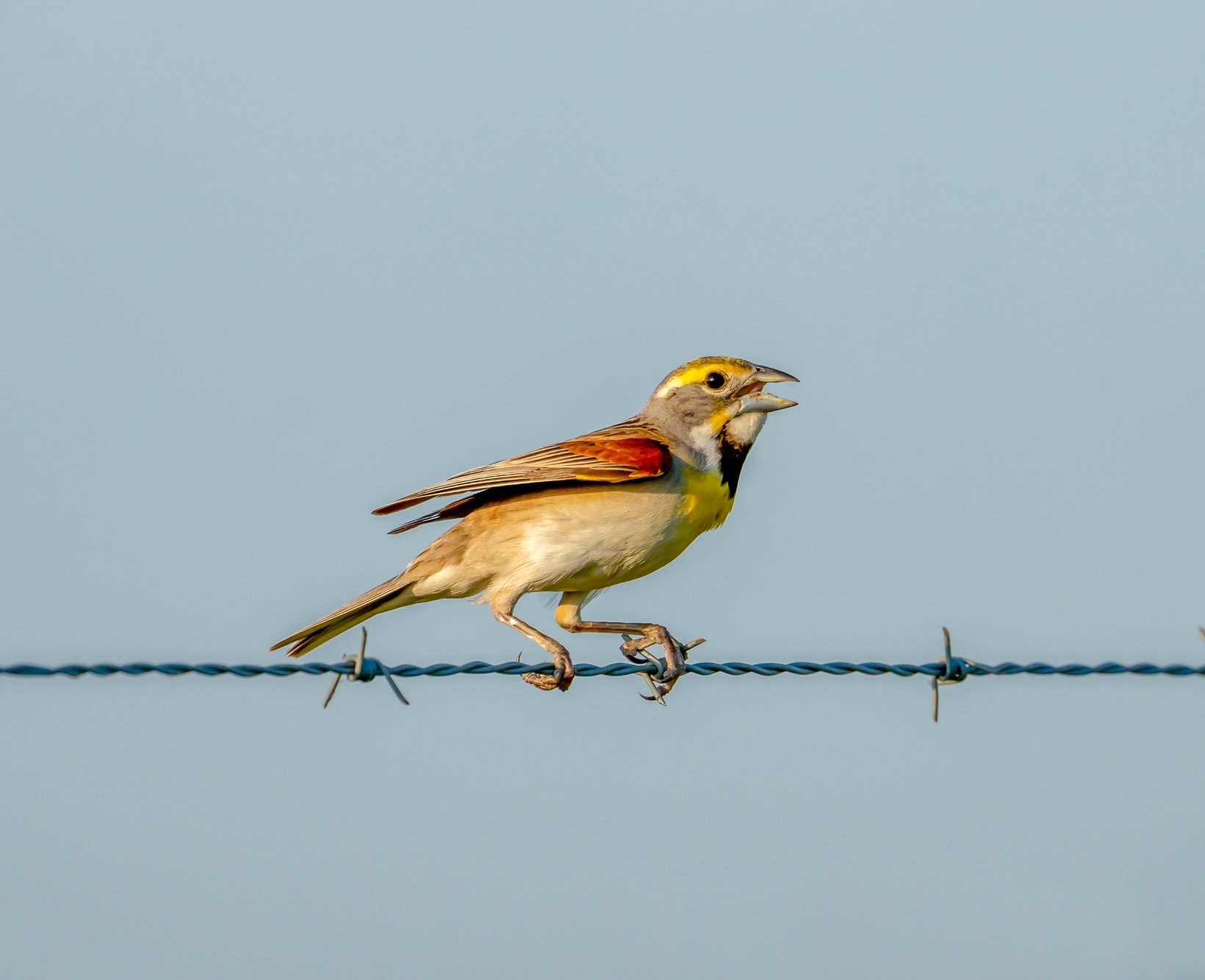
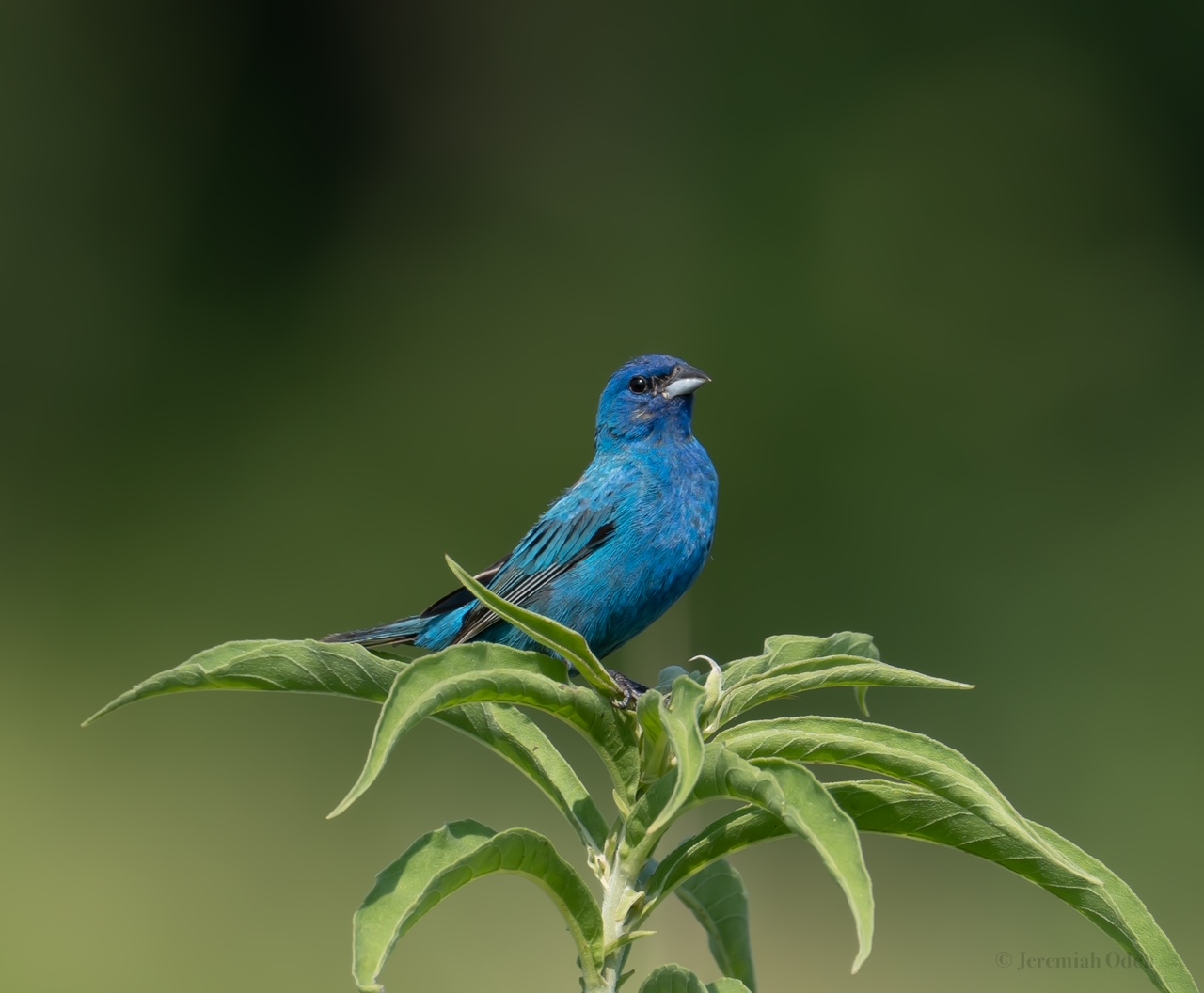
The Dickcissel you can see and hear on just about every fence line of rural Indiana. They can be quite cooperative for photography as well. Indigo Buntings and Blue Grosbeaks never disappoint. The difference in shades of blue between the two is simply stunning. An amazing fact is that neither one of these birds have blue pigment, only the feather structure that reflects light in a way that looks blue to us. Amazing!
The Yellow-breasted Chat is a vocal phenom, mimicking a number of other species, and is a delight to hear in the farm fields. It’s also a genius by itself. The Common Yellowthroat and the Northern Yellow Warbler are the two warbler representatives in this list. The Northern Yellow loves water and was recently split from the Mangrove Yellow Warbler as a separate species. The Common Yellowthroat, with its beautiful little black Zorro mask and bright yellow throat, can be seen in just about every wetland and grassy area in central Indiana and heard singing “whichety, whichety, whichety!”
Bringing the Tropics Home
I have a few trees on my three-acre homestead here in Boone County but I am surrounded by corn and soybean fields. I have seen all 10 of these species on my property and the surrounding area in the same day, multiple times. The small hedgerows dividing farmers’ fields or cornfields that weren’t planted to let the soil rest can be home or a stopover to every single one of these birds.
We’re always told “don’t judge a book by its cover” growing up. Perhaps we do that quite often with the cornfields of Central Indiana. Because it’s not South Texas, Southern California, or Florida, we don’t automatically think beautiful, bright, amazing birds. But indeed, take a look at these and visit your local rural area in Central Indiana, and experience the joy of a little taste of the tropics.